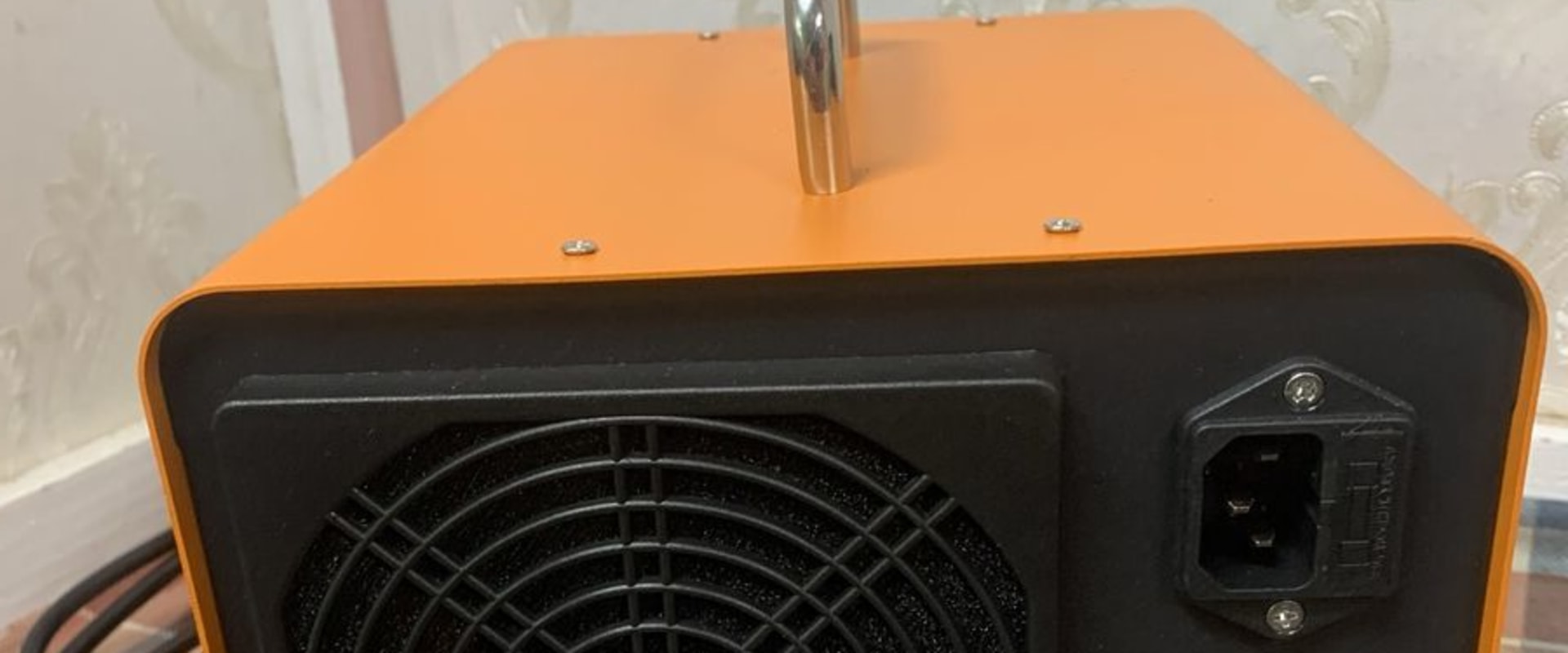
In recent years, the market for air purification has seen a surge in interest, particularly in products labeled as ozone ionizers. These devices are often marketed as advanced solutions for improving indoor air quality by emitting ozone, a gas that is claimed to neutralize pollutants and odors. However, the reality of how these ionizers function and their potential impact on health is far more complex than the marketing suggests.Ozone ionizers operate on the principle of ionization, where they release charged particles into the air. Proponents argue that these charged ions attach to airborne particles, such as dust, pollen, and smoke, causing them to clump together and fall to the ground or be more easily captured by filters.
This process is often touted as a way to create a cleaner environment. However, what many consumers may not realize is that while these devices can reduce certain particulates, they also produce ozone as a byproduct—a gas that can have detrimental effects on human health.The term air purifier ionizer company has become synonymous with products that promise to enhance air quality through innovative technology. Yet, it is crucial for consumers to approach these claims with caution. The Environmental Protection Agency (EPA) has consistently warned against the use of ozone-generating devices due to their potential to exacerbate respiratory issues and other health problems.
This warning raises important questions about the safety and efficacy of ozone ionizers in real-world settings.As we delve deeper into the implications of using ozone ionizers, it becomes essential to understand not only how they are marketed but also the scientific evidence surrounding their effectiveness and safety. By examining these factors closely, we can better navigate the often-confusing landscape of air purification technologies and make informed decisions about our indoor air quality.
The Science Behind Ozone and Ionization
Understanding the science behind ozone and ionization is crucial for evaluating their roles in air purification technology. Ozone (O3) is a molecule composed of three oxygen atoms, and it is created when oxygen molecules (O2) are exposed to ultraviolet (UV) light or electrical discharges. This process, known as ozone generation , can occur naturally in the atmosphere, particularly during thunderstorms, but it can also be artificially produced by devices marketed as air purifiers.While ozone is often touted for its ability to eliminate odors and kill bacteria, the reality is more complex.At ground level, ozone is a significant air pollutant that can lead to various health issues, including respiratory problems. The Environmental Protection Agency (EPA) has classified ozone as a harmful substance, especially at concentrations commonly produced by ozone generators.On the other hand, the ionization process involves the creation of charged particles known as ions. Ionizers work by emitting negative ions into the air, which attach themselves to airborne particles such as dust, pollen, and smoke. This process causes these particles to clump together and become heavy enough to fall to the ground or be captured by filters in air purifiers.The intended benefits of ionization include:
- Reduction of airborne pollutants: By causing particles to aggregate, ionizers can help reduce the number of allergens and irritants in indoor air.
- Improved air quality: Cleaner air can lead to better respiratory health and overall well-being.
- Odor elimination: Ionization can neutralize odors by removing the particles that carry them.
Some models may produce ozone as a byproduct, which negates their potential benefits. Therefore, consumers should look for ionization technologies that comply with safety standards, such as UL 2998, which ensures that no ozone is emitted during operation.In summary, while both ozone generation and ionization play roles in air purification technology, their effects on health and air quality differ significantly. Understanding these processes helps consumers make informed decisions when selecting an air purifier ionizer company.
Health Risks Associated with Ozone Exposure
Ozone exposure poses significant health risks, particularly for sensitive groups such as children, the elderly, and individuals with pre-existing respiratory conditions. The gas, which is a byproduct of various industrial processes and is also produced by ozone generators, can lead to a range of adverse health effects.According to the Environmental Protection Agency (EPA) , even low levels of ozone can trigger respiratory issues.These include:
- Chest pain
- Coughing
- Shortness of breath
- Throat irritation
A study published in the Journal of Allergy and Clinical Immunology found that children living in areas with high ozone levels experienced higher rates of asthma and other respiratory issues.The long-term exposure to elevated ozone levels can lead to chronic health problems. The World Health Organization (WHO) has linked prolonged exposure to ozone with increased mortality rates due to respiratory diseases. This highlights the importance of monitoring air quality and taking precautions against ozone exposure.In summary, the health risks associated with ozone exposure are well-documented and pose serious concerns for vulnerable populations. It is crucial for consumers to be aware of these risks when considering air purification options, especially those that generate ozone as a byproduct.
Comparing Ozone Ionizers to Other Air Purification Methods
When it comes to air purification, consumers often find themselves weighing the pros and cons of various technologies.Among these, ozone ionizers and HEPA filters are two popular options, each with distinct mechanisms and effectiveness in improving indoor air quality.
Understanding Ozone Ionizers
Ozone ionizers work by emitting ozone, a gas that can react with airborne pollutants. While manufacturers claim that ozone can neutralize odors and kill bacteria, the reality is more complex. Ozone is a known respiratory irritant, and its presence in occupied spaces can lead to health issues, particularly for sensitive individuals. The effectiveness of ozone ionizers in removing allergens and pollutants is often overshadowed by the potential health risks they pose.
The Role of HEPA Filters
In contrast, HEPA filters (High-Efficiency Particulate Air filters) are designed to trap particles as small as 0.3 microns with an efficiency of 99.97%.
This includes dust, pollen, pet dander, and even some bacteria and viruses. HEPA filters do not produce any harmful byproducts like ozone, making them a safer choice for indoor air purification.
Comparative Effectiveness
- Pollutant Removal: HEPA filters excel at capturing particulate matter, while ozone ionizers may not effectively remove these particles from the air.
- Health Implications: Ozone ionizers can exacerbate respiratory issues, whereas HEPA filters improve air quality without introducing harmful substances.
- Maintenance: HEPA filters require regular replacement to maintain their efficiency, while ozone ionizers may need less frequent maintenance but pose greater health risks.
Conclusion
In summary, while ozone ionizers may seem appealing due to their claims of odor elimination and disinfection, they fall short when compared to the proven effectiveness of HEPA filters in removing allergens and pollutants from indoor air. For those seeking the best air purifiers for health and safety, investing in a quality HEPA filter system is a more reliable choice.
Regulatory Perspectives on Ozone Generators
The regulatory landscape surrounding ozone generators is complex and often misunderstood. Organizations such as the Environmental Protection Agency (EPA) have established guidelines and standards to protect public health and ensure air quality.Understanding these regulations is crucial for consumers considering the purchase of an ozone generator.The EPA has long been concerned about the health effects of ozone exposure. According to their findings, ozone can lead to a variety of respiratory issues, including chest pain, coughing, and shortness of breath. These concerns have led the EPA to classify ozone as a harmful air pollutant under the Clean Air Act. As a result, they have set strict air quality standards that limit the amount of ozone that can be present in the atmosphere.In terms of safety standards, the EPA advises against the use of ozone generators in occupied spaces.
They emphasize that while these devices may be marketed as air purifiers, they can produce ozone at levels that exceed safe limits. The agency has also issued warnings about the potential for ozone generators to exacerbate existing health conditions, particularly for vulnerable populations such as children and individuals with asthma.To help consumers make informed decisions, the EPA recommends looking for products that comply with UL 2998 , a standard that ensures devices do not emit ozone during normal operation. This certification is crucial for anyone considering an air purifier ionizer company, as it indicates a commitment to safety and compliance with established air quality standards.In addition to EPA regulations, various state and local agencies may have their own guidelines regarding ozone generators. Consumers should be aware of these regulations, as they can vary significantly by region.
It is advisable to consult local air quality management districts or health departments for specific recommendations and regulations pertaining to ozone-generating devices.In summary, while ozone generators may seem like an attractive option for improving indoor air quality, it is essential to consider the regulatory perspectives on their safety and efficacy. By adhering to EPA guidelines and seeking out certified products, consumers can better protect their health and ensure a safer living environment.
Consumer Misconceptions About Ozone Ionizers
As the market for air purification continues to expand, many consumers find themselves inundated with information about various technologies, particularly ozone ionizers. Unfortunately, this has led to a number of misconceptions that can misguide potential buyers. Understanding these myths is crucial for making informed decisions about air quality solutions.Myth 1: Ozone Ionizers Are Safe for Indoor Use
One of the most pervasive misconceptions is that ozone ionizers are safe to use in occupied spaces.
In reality, while ozone can help eliminate odors and pollutants, it is also a harmful gas that can irritate the lungs and exacerbate respiratory issues. The Environmental Protection Agency (EPA) has consistently warned against the use of ozone generators in homes, emphasizing that even low levels of ozone can pose health risks.
Myth 2: Ozone Is an Effective Air Purifier
Another common belief is that ozone is an effective air purifier. Many manufacturers claim that their products can effectively remove allergens and pathogens from the air. However, research indicates that ozone does not effectively eliminate common indoor pollutants at safe levels.
In fact, it may even worsen air quality by creating harmful byproducts when it reacts with other substances in the air.
Myth 3: All Ionizers Produce Ozone
Consumers often assume that all ionizers produce ozone as a byproduct of their operation. While it is true that some ionizers generate ozone, there are models available that comply with safety standards such as UL 2998, which ensures they do not emit harmful levels of ozone. It’s essential for consumers to research and choose ionizers that are certified to be ozone-free.
Myth 4: Ozone Ionizers Can Replace Traditional Air Purifiers
Many people believe that ozone ionizers can serve as a complete replacement for traditional air purifiers. However, this is misleading.
Traditional air purifiers equipped with HEPA filters are designed to capture particles like dust, pollen, and pet dander effectively, while ozone ionizers primarily focus on altering the charge of particles in the air. This means they do not provide the same level of filtration and protection against allergens.In conclusion, educating oneself about the realities of ozone ionizers is vital for making informed choices regarding indoor air quality. By debunking these common myths, consumers can better navigate the market and select products that genuinely enhance their health and well-being.
Choosing a Safe Air Purifier: What to Look For
When it comes to selecting a safe air purifier, understanding the features and certifications that ensure your device is effective without being harmful is crucial. With the rise in popularity of air purifiers, particularly those marketed as ionizers, consumers must be vigilant about what they are bringing into their homes.One of the most important certifications to look for is UL 2998 compliance.This standard indicates that the air purifier does not emit ozone, a harmful gas that can exacerbate respiratory issues and lead to other health problems. Products that meet this standard have undergone rigorous testing to ensure they operate safely in occupied spaces.Here are some key factors to consider when choosing a safe air purifier:
- Ozone Emission: Always check if the air purifier is UL 2998 compliant. This certification guarantees that the device does not produce ozone during operation.
- Filtration System: Look for purifiers with HEPA filters, which are designed to capture 99.97% of particles as small as 0.3 microns. This includes dust, pollen, pet dander, and even some bacteria and viruses.
- Noise Levels: Consider the noise level of the unit, especially if you plan to use it in a bedroom or office.
Many modern air purifiers operate quietly while still providing effective filtration.
- Maintenance Requirements: Check how often filters need to be replaced and whether the unit has any additional maintenance needs. Some models come with filter change indicators, which can be very helpful.
- Room Size Compatibility: Ensure that the air purifier is suitable for the size of the room where it will be used. Manufacturers typically provide a recommended square footage for optimal performance.
By prioritizing safety and effectiveness, you can choose an air purifier that not only improves your indoor air quality but also protects your health.
Expert Recommendations for Air Purifier Ionizer Companies
When it comes to selecting an air purifier ionizer, consumers should prioritize companies that are committed to safety, effectiveness, and transparency. Here are some expert recommendations for reputable brands in the air purifier ionizer market:- Blueair : Known for their advanced filtration technology, Blueair combines mechanical and electrostatic filtration to effectively remove pollutants without producing ozone. Their products are certified by the California Air Resources Board (CARB) for low ozone emissions.
- Dyson : Dyson air purifiers utilize a unique HEPA filtration system that captures 99.97% of allergens and pollutants. Their ionization technology is designed to enhance air quality without generating harmful ozone levels.
- IQAir : This company is renowned for its high-performance air purifiers that utilize a multi-stage filtration system.
IQAir products are tested and certified to ensure they do not emit ozone, making them a safe choice for households.
- Honeywell : Honeywell offers a range of air purifiers that feature HEPA filters and optional ionization technology. Their commitment to safety is evident in their compliance with industry standards for ozone emissions.
- Rabbit Air : Rabbit Air’s purifiers are equipped with customizable filters and use a combination of HEPA filtration and negative ion generation. They are designed to operate quietly while ensuring minimal ozone production.
- Certification: Look for products that have been certified by organizations such as the EPA, CARB, or have UL 2998 compliance, which indicates no ozone emissions.
- User Reviews: Check customer feedback and expert reviews to gauge the effectiveness and reliability of the air purifier ionizers.
- Warranty and Support: A good warranty and responsive customer support can be indicators of a trustworthy company.
Frequently Asked Questions About Ozone Ionizers
As consumers become more aware of air quality issues, many have questions about ozone ionizers and their effectiveness. Below are some of the most frequently asked questions regarding these devices.What is an ozone ionizer?
An ozone ionizer is a type of air purification device that claims to improve indoor air quality by emitting ozone, a gas composed of three oxygen atoms.While marketed as a solution for eliminating odors and pollutants, it is essential to understand the potential health risks associated with ozone exposure.
Are ozone ionizers safe to use?
Safety is a significant concern when it comes to ozone ionizers. The Environmental Protection Agency (EPA) has warned that ozone can be harmful to human health, particularly for individuals with respiratory conditions. Even at low levels, ozone can cause respiratory issues such as coughing, chest pain, and shortness of breath. Therefore, using an ozone ionizer in occupied spaces is generally not recommended.How do ozone ionizers compare to traditional air purifiers?
Traditional air purifiers typically use HEPA filters or activated carbon to trap particles and odors without producing harmful byproducts.In contrast, ozone ionizers may not effectively remove allergens or pollutants from the air while posing health risks due to ozone emissions. For those seeking cleaner air without the dangers associated with ozone, investing in a reputable air purifier from a trusted air purifier ionizer company is advisable.
Can ozone ionizers eliminate allergens?
While some manufacturers claim that ozone ionizers can eliminate allergens like dust mites and pollen, research indicates that they are not effective at removing these particles from the air. Instead, they may exacerbate respiratory problems for sensitive individuals. It is crucial to rely on proven methods such as HEPA filtration for effective allergen removal.What should I look for when choosing an air purifier?
- Certification: Look for products that comply with safety standards such as UL 2998, which ensures no ozone production.
- Filtration System: Choose models with HEPA filters for effective particle removal.
- No Ozone Emission: Ensure the device does not produce harmful levels of ozone.
Conclusion: Making Informed Choices for Healthier Air Quality
In conclusion, the discussion surrounding ozone ionizers and their impact on air quality is both critical and complex.As we have explored, while these devices are often marketed as effective solutions for purifying indoor air, the reality is that they can pose significant health risks, particularly due to the ozone they emit. Understanding these risks is essential for anyone considering the purchase of an air purification system.It is vital to recognize that ozone, a potent oxidant, can lead to a range of respiratory issues, including:
- Chest pain
- Coughing
- Shortness of breath
- Throat irritation
Additionally, consider alternatives like HEPA filters or activated carbon systems that have been proven to effectively reduce airborne pollutants without the associated risks of ozone exposure.Ultimately, making informed choices about air quality is essential for safeguarding your health and well-being. By understanding the potential dangers of ozone ionizers and opting for safer alternatives, you can create a healthier indoor environment for yourself and your loved ones.