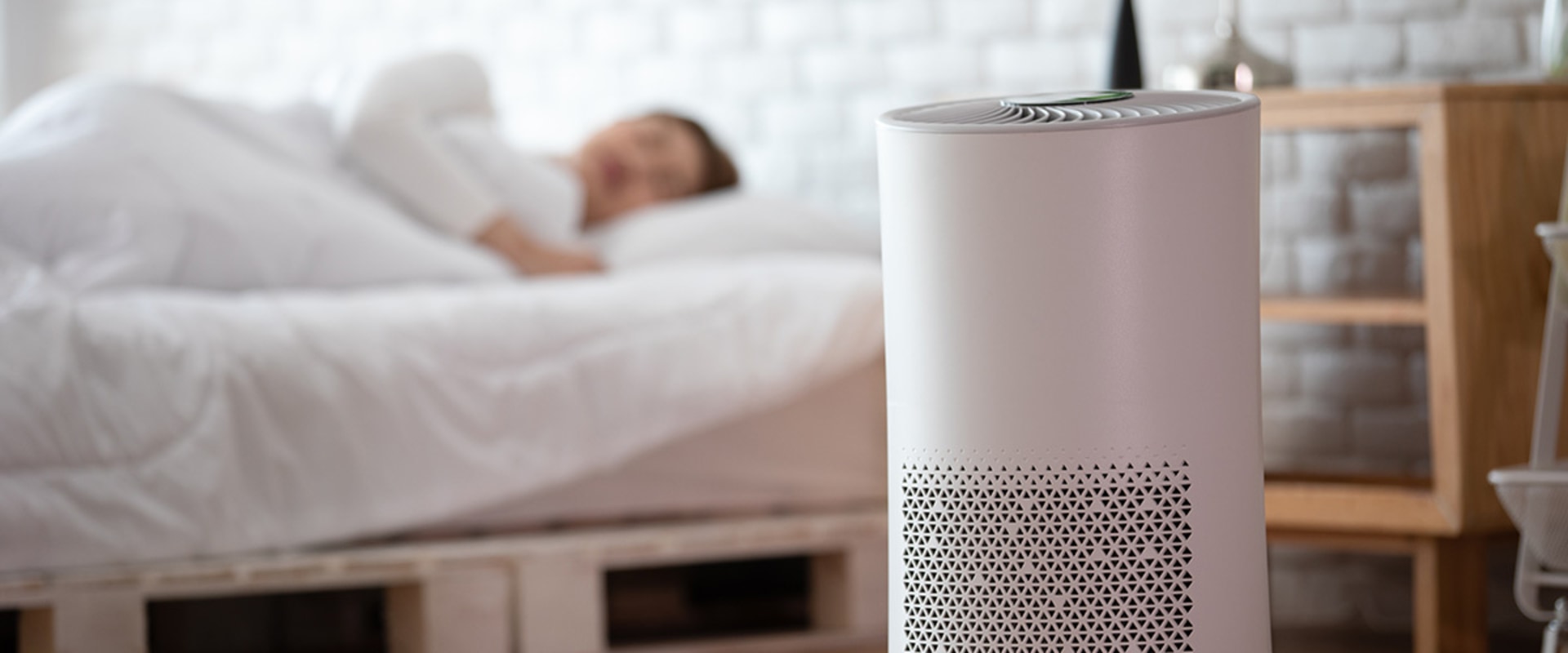
In today's world, where urbanization and industrialization are on the rise, maintaining good indoor air quality has become more crucial than ever. The air we breathe indoors can often be more polluted than the air outside, harboring allergens, dust, pet dander, and even harmful chemicals. This is where air purifiers come into play, serving as essential devices designed to cleanse the air in our homes and workplaces. By understanding the different types of air purification methods available, we can make informed decisions about which system best suits our needs.Among the most popular options are air ionizers and HEPA filters.
Each of these technologies operates on distinct principles and offers unique benefits. Air ionizers work by emitting charged ions into the air, which attach to airborne particles, causing them to clump together and fall to surfaces. This method can help reduce the presence of larger particles but may not effectively eliminate smaller pollutants or allergens. On the other hand, HEPA filters are renowned for their ability to trap 99.97% of particles that are 0.3 microns in size or larger, making them highly effective for those suffering from allergies or respiratory issues.As we delve deeper into this guide, we will explore the advantages and disadvantages of both air ionizers and HEPA filters.
Understanding these differences is vital for anyone looking to improve their indoor air quality. Whether you are a parent concerned about your children's health, a pet owner dealing with dander, or simply someone who wants to breathe cleaner air, knowing how these systems work will empower you to choose the right solution for your home.
What is an Air Ionizer?
An air ionizer is a device designed to improve indoor air quality by releasing negatively charged ions into the atmosphere. These ions attach themselves to positively charged particles, such as dust, pollen, smoke, and other pollutants, causing them to clump together and fall to the ground or adhere to surfaces. This process effectively reduces the number of airborne contaminants, making the air feel cleaner and fresher.How do air ionizers work?
The operation of an air ionizer is relatively straightforward.
When the device is powered on, it generates ions through a process called corona discharge. This involves applying a high voltage to a metal needle or plate, which creates a flow of electrons. As these electrons collide with air molecules, they produce negatively charged ions. Once released into the air, these ions seek out and bond with positively charged particles.One of the key features of air ionizers is their ability to reduce particulate matter in the air without the need for filters.
Unlike traditional air purifiers that rely on physical filters to trap pollutants, ionizers utilize electrical charges to neutralize contaminants. This can lead to lower maintenance costs since there are no filters to replace regularly.
Benefits of air ionizers
- Reduction of airborne pollutants: By causing particles to settle out of the air, ionizers can significantly decrease the concentration of allergens and irritants.
- Odor elimination: Ionizers can help neutralize unpleasant odors by breaking down odor-causing molecules in the environment.
- Low maintenance: With no filters to change, ionizers require less upkeep compared to traditional air purifiers.
- Energy efficiency: Many ionizers consume less power than conventional air purifiers, making them a cost-effective option for long-term use.
- Improved mood and well-being: Some studies suggest that negative ions may have a positive effect on mood and overall well-being, potentially reducing stress and enhancing mental clarity.
Therefore, understanding how an air ionizer works and its benefits is crucial when deciding whether it is the right choice for your indoor air quality needs.
What is a HEPA Filter?
A HEPA filter , which stands for High Efficiency Particulate Air filter, is a type of air filter that is designed to trap a significant amount of very small particles that other air filters might miss. To qualify as a HEPA filter, it must meet specific standards set by the U. S. Department of Energy (DOE), which stipulate that the filter must capture at least 99.97% of particles that are 0.3 microns in size.This includes common allergens such as pollen, dust mites, pet dander, and even some bacteria and viruses.
How HEPA Filters Work
HEPA filters operate through a combination of three mechanisms: interception, impaction, and diffusion. When air passes through the filter, larger particles are trapped by impaction, where they collide with the fibers of the filter and become stuck. Smaller particles are captured through interception, where they follow the airflow but come close enough to the fibers to adhere to them. Finally, diffusion affects the smallest particles (typically those less than 0.1 microns), causing them to move erratically and increasing their chances of colliding with the filter fibers.
Benefits of HEPA Filters
- Effective Allergen Removal: HEPA filters are highly effective at removing allergens from the air, making them an excellent choice for individuals with allergies or asthma.
- Improved Air Quality: By capturing pollutants and particulate matter, HEPA filters contribute to better indoor air quality, which can lead to improved health outcomes.
- Odor Reduction: While HEPA filters primarily target particles, they can also help reduce odors when combined with activated carbon layers in air purifiers.
- Durability: HEPA filters are designed to last longer than standard filters, often requiring replacement only once a year, depending on usage and environmental conditions.
- Versatility: These filters can be used in various applications, including residential air purifiers, HVAC systems, and even in medical facilities to maintain sterile environments.
The benefits they offer make them a popular choice among consumers looking to enhance their indoor air quality.
Comparing Air Ionizers and HEPA Filters
When it comes to air purification, understanding the differences between air ionizers and HEPA filters is crucial for making an informed decision. Both technologies aim to improve indoor air quality, but they operate in fundamentally different ways and have distinct advantages and disadvantages.Air Ionizers:
- Mechanism of Action: Air ionizers work by emitting negatively charged ions into the air. These ions attach to airborne particles, such as dust, pollen, and smoke, causing them to clump together and fall to the ground or adhere to surfaces.
- Effectiveness: While ionizers can reduce the presence of larger particles in the air, they do not effectively capture smaller pollutants like bacteria and viruses. Additionally, they may not remove odors or volatile organic compounds (VOCs) from the air.
- Maintenance: Ionizers generally require less maintenance than HEPA filters since they do not have physical filters that need regular replacement.
However, surfaces in your home may accumulate dust and pollutants due to the particles settling after ionization.
- Ozone Production: A significant concern with many ionizers is their potential to produce ozone, a harmful gas that can exacerbate respiratory issues. It’s essential to choose models that are certified as low-ozone emitters.
HEPA Filters:
- Mechanism of Action: HEPA (High-Efficiency Particulate Air) filters trap particles as air passes through them. They are designed to capture at least 99.97% of particles that are 0.3 microns in size, including allergens like pet dander, dust mites, and mold spores.
- Effectiveness: HEPA filters excel at removing a wide range of pollutants from the air, including smaller particles that ionizers may miss. They are particularly beneficial for individuals with allergies or respiratory conditions.
- Maintenance: While HEPA filters require regular replacement—typically every 6 to 12 months depending on usage—they provide consistent performance throughout their lifespan.
Clogged filters can hinder airflow and reduce effectiveness.
- No Ozone Emission: Unlike many ionizers, HEPA filters do not produce ozone or other harmful byproducts, making them a safer choice for indoor air quality.
Which is Better?
The choice between an air ionizer and a HEPA filter largely depends on your specific needs:
- If you are primarily concerned about allergens and respiratory health, a HEPA filter is likely the better option due to its proven effectiveness in capturing a wide range of pollutants.
- If you are looking for a more affordable solution for general air cleaning and are less concerned about smaller particles or ozone production, an air ionizer may suffice.
Health Implications of Using Air Ionizers and HEPA Filters
When considering air purifiers, understanding the health implications of both air ionizers and HEPA filters is crucial. Each technology has its own set of benefits and potential drawbacks that can impact your well-being.Health Effects of Air Ionizers
Air ionizers work by emitting negatively charged ions into the air, which attach to positively charged particles like dust, pollen, and smoke. This process causes these particles to clump together and fall to the ground or adhere to surfaces. While this can reduce airborne pollutants, there are significant health concerns associated with ionizers:- Ozone Production: One of the most pressing issues with air ionizers is their potential to produce ozone, a harmful gas that can irritate the respiratory system.
Ozone exposure has been linked to various health problems, including asthma exacerbations and other respiratory issues.
- Limited Particle Removal: Ionizers do not effectively remove particles from the air; instead, they merely reposition them. This means that while some pollutants may settle on surfaces, they are not eliminated from your environment.
- Potential for Toxic Byproducts: Some studies suggest that ionizers can generate other harmful substances, which may pose additional health risks.
Health Effects of HEPA Filters
In contrast, HEPA (High-Efficiency Particulate Air) filters are designed to capture at least 99.97% of particles that are 0.3 microns in size. This includes allergens such as pet dander, dust mites, and mold spores. The health benefits of using HEPA filters include:- Effective Allergen Removal: HEPA filters are highly effective at trapping allergens, making them an excellent choice for individuals with allergies or asthma.
- Improved Indoor Air Quality: By continuously filtering out harmful particles, HEPA filters contribute to better overall indoor air quality, which can lead to improved respiratory health.
- No Ozone Emission: Unlike ionizers, HEPA filters do not produce ozone or other harmful gases during operation, making them a safer option for home use.
For those concerned about allergens and respiratory health, HEPA filters are generally the safer and more effective choice. In contrast, air ionizers may pose risks due to ozone production and limited effectiveness in removing pollutants from the air.
Cost Considerations: Air Ionizers vs. HEPA Filters
When it comes to selecting an air purification system, understanding the cost considerations is crucial. Both air ionizers and HEPA filters come with their own price tags, not just for initial purchase but also for ongoing maintenance.This section will delve into the financial aspects of both options, helping you make a more informed decision.
Initial Purchase Costs
The upfront cost of an air purifier can vary significantly based on the type and brand. Generally, air ionizers tend to be more affordable than HEPA filter systems. You can find basic ionizers priced between $50 to $150, making them an attractive option for budget-conscious consumers. However, it's essential to consider that lower-priced models may lack advanced features or sufficient purification capabilities.On the other hand, HEPA filter purifiers usually range from $100 to $600 or more, depending on their size and additional functionalities such as activated carbon filters or UV light technology.While the initial investment is higher, many users find that the effectiveness of HEPA filters justifies the cost.
Ongoing Maintenance Costs
Maintenance is another critical factor in the overall cost of air purifiers. Air ionizers typically require less frequent maintenance since they do not have filters that need replacing. Instead, they may need occasional cleaning to remove dust and debris from their plates. This can save you money in the long run, as you won't have to purchase replacement filters regularly.In contrast, HEPA filters need to be replaced every 6 to 12 months, depending on usage and air quality conditions.The cost of replacement HEPA filters can range from $20 to $100 each. This recurring expense should be factored into your budget when considering a HEPA filter system.
Energy Consumption
Another aspect of cost is energy consumption. Air ionizers generally consume less electricity compared to HEPA purifiers, which often have powerful fans that can increase energy bills. If you're concerned about long-term operational costs, an ionizer may be a more economical choice.Conclusion
Ultimately, the choice between an air ionizer and a HEPA filter system should be based on your specific needs and budget.While air ionizers offer lower initial costs and reduced maintenance expenses, HEPA filters provide superior air purification capabilities that may justify their higher price tag. Assessing both the upfront and ongoing costs will help you choose the right air purification solution for your home.
Maintenance Requirements for Air Ionizers and HEPA Filters
Maintaining your air purifier is essential for ensuring its effectiveness and longevity. Both air ionizers and HEPA filters require specific maintenance practices to operate at their best. Understanding these requirements can help you make an informed decision about which type of air purifier suits your needs.Maintenance of Air Ionizers
Air ionizers, while generally low-maintenance, do have specific upkeep needs:- Regular Cleaning: Ionizers release charged ions into the air, which can cause dust and other particles to settle on surfaces.
It’s important to regularly wipe down the unit and surrounding areas to prevent dust buildup.
- Electrode Maintenance: Many ionizers have electrodes that may need cleaning or replacement over time. Check the manufacturer’s guidelines for specific instructions on how often this should be done.
- Monitor Ozone Levels: Some ionizers produce ozone as a byproduct. Regularly check the ozone levels in your home to ensure they remain within safe limits, as excessive ozone can be harmful to health.
Maintenance of HEPA Filters
HEPA filters require a more structured maintenance routine:- Filter Replacement: HEPA filters typically need to be replaced every 6 to 12 months, depending on usage and air quality. Regularly check the filter indicator (if available) or follow the manufacturer’s recommendations for replacement.
- Pre-Filter Cleaning: Many HEPA purifiers come with a pre-filter that captures larger particles.
This pre-filter should be cleaned or replaced more frequently, often every 1 to 3 months, to maintain airflow efficiency.
- Unit Cleaning: Dust and debris can accumulate on the exterior of the unit. Wipe down the outside with a damp cloth regularly to keep it clean and functioning properly.
By adhering to these maintenance guidelines, you can enhance the lifespan and efficiency of your chosen air purification system.
User Experiences: Reviews and Testimonials
When it comes to choosing between air ionizers and HEPA filters, user experiences can provide invaluable insights. Many consumers share their thoughts on the effectiveness, convenience, and overall satisfaction of these air purification systems. Below, we compile a selection of reviews and testimonials from users who have tried both types of air purifiers.User Testimonials on Air Ionizers
Several users have reported positive experiences with air ionizers, particularly in terms of odor elimination and general air freshness. For instance:- Maria T. from California states, "I live in a small apartment with a cat, and the ionizer has made a noticeable difference in reducing pet odors.
I love how fresh my home smells now!"
- James R. mentions, "I bought an ionizer to help with smoke from cooking. It works well to clear the air quickly after frying or grilling."
User Testimonials on HEPA Filters
On the other hand, many users advocate for HEPA filters due to their efficiency in capturing allergens and particulate matter:- Tom S. , who suffers from allergies, says, "Since I started using a HEPA filter, my symptoms have significantly improved.
I can finally breathe easier at home!"
- Susan P. adds, "I appreciate that my HEPA purifier not only cleans the air but also has a filter replacement indicator. It makes maintenance so much easier!"
As always, it's essential to consider individual needs and preferences when selecting an air purification system.
Frequently Asked Questions (FAQs)
When considering air purifiers, many potential buyers have questions about the differences between air ionizers and HEPA filters. Below are some of the most frequently asked questions that can help clarify these technologies and assist you in making an informed decision.What is the primary function of an air ionizer?
An air ionizer works by emitting negatively charged ions into the air. These ions attach to airborne particles, such as dust, pollen, and smoke, causing them to clump together and fall to the ground or adhere to surfaces. While this process can reduce the number of airborne pollutants, it does not eliminate them from your environment.How does a HEPA filter work?
A HEPA filter (High-Efficiency Particulate Air filter) captures particles from the air by forcing it through a dense mat of fibers.This method effectively traps allergens, dust mites, pet dander, and even some bacteria and viruses. To be classified as a true HEPA filter, it must remove at least 99.97% of particles that are 0.3 microns in size.
Are air ionizers safe to use?
While many people find air ionizers beneficial for reducing odors and certain pollutants, there are concerns regarding their safety. Some models can produce ozone as a byproduct, which can be harmful to respiratory health. It’s essential to choose an ionizer that complies with safety standards and emits low levels of ozone.Do HEPA filters produce ozone?
No, HEPA filters do not produce ozone.They work purely through mechanical filtration, making them a safer option for individuals with respiratory issues or allergies. If you are particularly sensitive to air quality, a HEPA filter is generally recommended over an ionizer.
How often should I replace my HEPA filter?
The lifespan of a HEPA filter varies depending on usage and environmental conditions. Generally, it is advisable to replace your HEPA filter every 6 to 12 months for optimal performance. Regular maintenance ensures that your air purifier continues to operate efficiently.Can I use both an air ionizer and a HEPA filter together?
Yes, some air purifiers combine both technologies for enhanced filtration.However, it’s crucial to ensure that the combination does not lead to increased ozone production. Always check product specifications and user reviews before purchasing.
Which is more effective for allergies: an ionizer or a HEPA filter?
If you suffer from allergies, a HEPA filter is typically more effective than an ionizer. HEPA filters are specifically designed to capture allergens like pollen and pet dander, providing cleaner air for allergy sufferers.By understanding these common questions about air purifiers, you can make a more informed choice that best suits your needs and enhances your indoor air quality.Conclusion: Making the Right Choice for Your Home
In conclusion, choosing between an air ionizer and a HEPA filter requires careful consideration of your specific needs and circumstances. Both types of air purifiers offer unique benefits and drawbacks that can significantly impact your indoor air quality.Understanding Your Needs
- If you are primarily concerned about allergens such as dust, pollen, or pet dander, a HEPA filter is the superior choice.
These filters are designed to capture 99.97% of particles that are 0.3 microns in size, making them highly effective for allergy sufferers.
- On the other hand, if you are dealing with odors, smoke, or volatile organic compounds (VOCs), an air ionizer may be more beneficial. Ionizers can help neutralize these pollutants by releasing charged ions that attach to and settle airborne particles.
Health Considerations
For individuals with respiratory issues or compromised immune systems, the choice becomes even more critical. HEPA filters not only trap harmful particles but also do not produce ozone, which can be detrimental to health. In contrast, some ionizers can generate ozone as a byproduct, potentially leading to respiratory irritation.
Cost and Maintenance
When considering your budget, it’s essential to factor in both the initial purchase price and ongoing maintenance costs.
While ionizers may have a lower upfront cost and require less frequent filter replacements, their effectiveness may not justify the savings for those needing cleaner air.
Final Recommendations
- For allergy sufferers or those with serious health concerns: Invest in a high-quality HEPA air purifier.
- If you are looking for a budget-friendly option for general air cleaning: Consider an air ionizer but remain aware of its limitations.
- For comprehensive air purification: Look for devices that combine both HEPA filtration and ionization technology to maximize benefits while minimizing drawbacks.