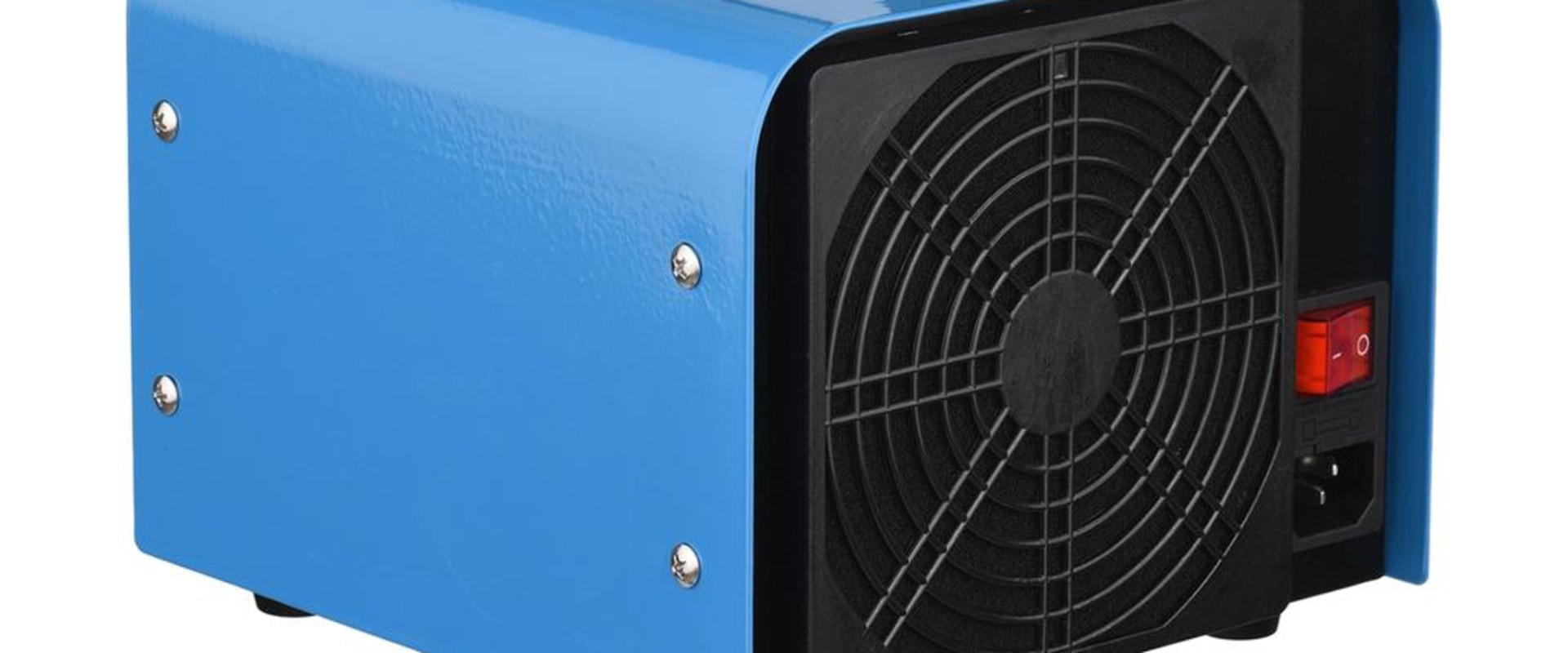
Air purifier ionizers have gained popularity in recent years as a solution for improving indoor air quality. These devices utilize a technology that involves the generation of negatively charged ions, which interact with airborne particles such as dust, pollen, and smoke. By charging these particles, air ionizers cause them to clump together and settle on surfaces, effectively reducing their presence in the air we breathe. This process not only aims to enhance air quality but also promises a fresher and cleaner environment.Understanding how air ionizers work is crucial for anyone considering their use.
When an ionizer is activated, it releases negative ions into the atmosphere. These ions attach themselves to positively charged particles, which are often pollutants or allergens. As a result, these particles become heavier and fall to the ground or adhere to surfaces, making them less likely to be inhaled. This mechanism is particularly appealing for individuals suffering from allergies or respiratory issues, as it can lead to a noticeable reduction in airborne irritants.While the benefits of air ionizers are often highlighted—such as improved air quality and reduced allergens—it's essential to approach these devices with a balanced perspective.
Many users report feeling a difference in their indoor environment; however, the effectiveness of ionizers can vary significantly based on the model and its specific technology. Additionally, potential drawbacks, including the production of ozone as a by-product, warrant careful consideration before investing in an air purifier ionizer.In summary, air purifier ionizers present an intriguing option for enhancing indoor air quality through their unique method of particle removal. As we delve deeper into this topic, we will explore both the advantages and hidden dangers associated with these devices, ensuring that consumers are well-informed before making a purchase.
The Mechanism of Ionization in Air Purifiers
Understanding the mechanism of ionization in air purifiers is essential for evaluating their effectiveness in improving indoor air quality. Ionizers operate on the principle of charging particles in the air, which allows them to interact with pollutants and allergens.At the core of an ionizer's functionality is the process of ionization.This involves the generation of negatively charged ions, which are produced by an ionization chamber within the device. When air passes through this chamber, high-voltage electrodes create a field that strips electrons from air molecules, resulting in the formation of negatively charged ions.These negatively charged ions then attach themselves to positively charged particles in the air, such as dust, pollen, smoke, and other pollutants. This process is crucial because:
- Particle Attraction: The charged ions attract and bind to these airborne particles, causing them to cluster together. This clustering increases their mass, making it easier for them to settle out of the air or be captured by filters.
- Surface Adhesion: In many cases, these larger clusters adhere to surfaces within the room, such as walls and furniture.
While this can reduce airborne pollutants temporarily, it raises concerns about long-term exposure to these settled particles.
- Reduction of Odors: Ionization can also help neutralize odors by breaking down volatile organic compounds (VOCs) that contribute to unpleasant smells.
Therefore, when considering an air purifier ionizer company, it is crucial to research their specific technology and understand how their devices operate.In summary, while ionization plays a significant role in air purification by charging and attracting airborne particles, it is essential to weigh its benefits against potential drawbacks such as ozone production and surface contamination. A comprehensive understanding of these mechanisms will help consumers make informed decisions about their indoor air quality solutions.
Ozone Production: A By-Product of Ionization
When discussing air purifiers, particularly those produced by an air purifier ionizer company, it is crucial to address the issue of ozone production. Ozone, a molecule composed of three oxygen atoms, is often touted for its ability to eliminate odors and pollutants. However, the reality is that ozone can pose significant health risks, especially when generated as a by-product of ionization processes.Ionizers work by emitting charged particles into the air, which attach themselves to airborne pollutants.While this process can help reduce particulate matter in the air, it can also lead to the formation of ozone. This occurs when the ionization process interacts with oxygen molecules in the atmosphere, resulting in ozone being released into indoor environments.
The Dangers of Ozone Exposure
Ozone is classified as a pulmonary irritant and can have detrimental effects on human health. Short-term exposure to elevated levels of ozone can lead to:
- Respiratory issues such as coughing and throat irritation.
- Worsening of asthma symptoms and other pre-existing lung conditions.
- Increased susceptibility to respiratory infections.
Unfortunately, many ionizers on the market produce ozone levels that exceed this threshold, putting users at risk.
Understanding Ozone Levels in Air Purifiers
It is essential for consumers to be aware of the ozone output of any air purifier they consider purchasing. Many manufacturers may not clearly disclose this information, making it difficult for consumers to make informed choices. When evaluating an air purifier from an air purifier ionizer company, look for:
- Clear specifications regarding ozone production.
- Certifications or endorsements from health organizations.
- User reviews that discuss air quality improvements without adverse effects.
Health Risks Associated with Ozone Exposure
Ozone exposure poses significant health risks, particularly for sensitive groups such as children, the elderly, and individuals with pre-existing respiratory conditions.Understanding these risks is crucial for consumers considering air purifiers that may produce ozone as a by-product.
Respiratory Issues
One of the most concerning effects of ozone exposure is its impact on respiratory health. Ozone is a potent oxidant that can irritate the airways, leading to symptoms such as:
- Coughing
- Throat irritation
- Shortness of breath
- Chest pain
Long-Term Health Effects
Long-term exposure to ozone has been linked to more severe health outcomes, including:
- Development of respiratory diseases
- Increased susceptibility to respiratory infections
- Potential cardiovascular issues
Vulnerable Populations
Certain populations are at a higher risk of experiencing adverse effects from ozone exposure.
These include:
- Children: Their developing lungs are more susceptible to damage from pollutants.
- The elderly: Older adults often have pre-existing health conditions that can be aggravated by ozone.
- Individuals with pre-existing health conditions: Those with asthma, allergies, or heart disease may experience heightened sensitivity to ozone.
Comparing Ionizers to Traditional Air Purifiers
When it comes to air purification, understanding the differences between ionizers and traditional HEPA filters is crucial for making an informed decision. Both technologies aim to improve indoor air quality, but they operate in fundamentally different ways and have varying levels of effectiveness and safety.How Ionizers Work
Ionizers function by emitting negatively charged ions into the air. These ions attach themselves to airborne particles, such as dust, pollen, and smoke, causing them to clump together and fall to the ground or adhere to surfaces.While this process can reduce the number of particles in the air, it does not eliminate them. Instead, it merely relocates them, which can still pose health risks if these particles are disturbed later.
The Role of HEPA Filters
In contrast, HEPA filters (High-Efficiency Particulate Air filters) are designed to physically trap particles as air passes through them. A true HEPA filter can capture at least 99.97% of particles that are 0.3 microns in size, including allergens like pet dander, mold spores, and even some bacteria and viruses. This makes HEPA filters highly effective for those with respiratory issues or allergies.Effectiveness Comparison
- Ionizers: While they can reduce airborne particles, they do not provide a permanent solution and may produce ozone as a by-product, which is harmful to health.
- HEPA Filters: They offer a more reliable method of removing pollutants from the air without producing harmful by-products.
Safety Considerations
One of the most significant concerns with ionizers is their potential to generate ozone, a known lung irritant.The levels of ozone produced can exceed safe limits, especially in poorly ventilated spaces. On the other hand, HEPA filters do not produce ozone and are considered safe for continuous use in homes.
Choosing the Best Air Purifier
When selecting an air purifier, consider your specific needs:- If you suffer from allergies or asthma, a unit equipped with a HEPA filter is likely your best option.
- If you are looking for a device that also addresses odors or chemical vapors, consider models that combine HEPA filtration with activated carbon filters.
- Avoid ionizers unless you are aware of their limitations and potential health risks.
Regulatory Standards and Safety Guidelines for Ozone Levels
When it comes to air quality, understanding the regulatory standards and safety guidelines for ozone levels is crucial for consumers. Ozone, while effective in eliminating odors and pollutants, poses significant health risks when present in excessive amounts. Therefore, various organizations have established guidelines to protect public health.The Environmental Protection Agency (EPA) has set a National Ambient Air Quality Standard (NAAQS) for ozone at 0.070 parts per million (ppm) over an 8-hour period.This standard is designed to safeguard the general population, including sensitive groups such as children and individuals with respiratory conditions. Exceeding this level can lead to adverse health effects, including respiratory issues and exacerbation of asthma.In addition to the EPA, the Food and Drug Administration (FDA) has specific guidelines regarding ozone levels in medical devices, which include certain air purifiers. The FDA limits ozone emissions from these devices to a maximum of 0.05 ppm. This threshold is significantly lower than the EPA's standard for outdoor air quality, reflecting the heightened concern for indoor air quality where people spend most of their time.Moreover, the California Air Resources Board (CARB) has implemented even stricter regulations for air purifiers sold within the state.
CARB mandates that any air purifier must not emit more than 0.05 ppm of ozone to be certified for sale. This regulation aims to ensure that consumers are not exposed to harmful levels of ozone in their homes.It is essential for consumers to be aware of these regulations when selecting an air purifier, especially those marketed as ionizers or ozone generators. Many products may claim to improve air quality but can inadvertently produce harmful levels of ozone as a by-product. Therefore, checking for compliance with these regulatory standards can help consumers make informed decisions.In summary, understanding the safe ozone levels established by regulatory bodies like the EPA and FDA is vital for ensuring indoor air quality and protecting health.
Consumers should prioritize air purifiers that adhere to these guidelines to minimize exposure to harmful ozone emissions.
Choosing Safe Air Purifiers: What to Look For
When it comes to selecting a safe air purifier, understanding the features that contribute to effective air cleaning without harmful by-products is crucial. Here are some key factors to consider:- Filter Type: Opt for air purifiers that utilize HEPA filters. These filters are designed to capture 99.97% of particles as small as 0.3 microns, including dust, pollen, and pet dander, without releasing harmful substances back into the air.
- Ozone Emission: Ensure that the air purifier you choose does not produce ozone as a by-product. Look for models that explicitly state they are ozone-free.
The FDA has set strict guidelines for ozone levels in medical devices, and it’s wise to choose purifiers that adhere to these standards.
- Additional Filtration: Consider units that incorporate activated carbon or zeolite filters. These materials are effective at absorbing odors and volatile organic compounds (VOCs), enhancing the overall air quality in your home.
- Noise Level: A quieter operation is often preferable, especially if you plan to use the purifier in a bedroom or office. Check product specifications for decibel ratings to find a model that suits your noise tolerance.
- Energy Efficiency: Look for energy-efficient models that have the Energy Star certification. This not only helps reduce your electricity bill but also minimizes your environmental impact.
- Maintenance Requirements: Choose an air purifier with easily replaceable filters and clear maintenance guidelines.
Regular filter changes are essential for optimal performance, so consider how often filters need to be replaced and the associated costs.
Frequently Asked Questions About Air Purifier Ionizers and Ozone Production
As consumers become more aware of indoor air quality, many have questions about the effectiveness and safety of air purifier ionizers. Below are some frequently asked questions that address common concerns regarding these devices and their ozone production.What is an air purifier ionizer?
An air purifier ionizer is a device that uses electrical charges to remove particles from the air.It works by emitting negatively charged ions that attach to positively charged particles, such as dust, pollen, and smoke. This process causes the particles to clump together and settle on surfaces, effectively reducing airborne pollutants.
Do air purifier ionizers produce ozone?
Yes, many air purifier ionizers can produce ozone as a by-product. While some models are designed to minimize ozone production, others may generate levels that exceed safety guidelines set by health organizations. It is crucial to check the specifications of any ionizer you consider purchasing to ensure it complies with safety standards.Is ozone harmful to health?
Ozone can be harmful when inhaled, as it is a known respiratory irritant.Exposure to elevated levels of ozone can lead to various health issues, including throat irritation, coughing, and exacerbation of asthma symptoms. The Environmental Protection Agency (EPA) has established guidelines for safe ozone levels, which should not exceed 0.05 parts per million (ppm) in occupied spaces.
How do air purifier ionizers compare to HEPA filters?
Unlike traditional HEPA filters that physically trap particles in a dense filter material, air purifier ionizers charge particles so they adhere to surfaces. While this can reduce airborne pollutants, it does not eliminate them from the environment. HEPA filters are generally considered more effective for long-term air quality improvement because they capture and contain pollutants rather than just repositioning them.Can I use an air purifier ionizer if I have respiratory issues?
If you have respiratory conditions such as asthma or allergies, it is advisable to consult with a healthcare professional before using an air purifier ionizer.While some individuals may benefit from improved air quality, the potential for ozone production could pose additional risks for sensitive individuals.
What should I look for when choosing an air purifier?
- Ozone Emission Levels: Look for models that specify low or no ozone emissions.
- Filter Type: Consider devices with HEPA filters or activated carbon filters for better pollutant removal.
- Certification: Check for certifications from reputable organizations that verify the safety and effectiveness of the device.
Conclusion: Weighing the Risks and Benefits of Air Purifier Ionizers
In conclusion, the decision to use an air purifier ionizer requires careful consideration of both its potential benefits and inherent risks. While these devices can offer some advantages in improving indoor air quality by reducing certain pollutants, the associated dangers, particularly regarding ozone production, cannot be overlooked.Understanding the Benefits:
- Air purifier ionizers can help in reducing airborne particles such as dust, pollen, and smoke, which may be beneficial for individuals with allergies or respiratory issues.
- They often operate quietly and without the need for frequent filter replacements, making them a convenient option for many households.
- Some users report a fresher feeling in their indoor environments after using ionizers, attributing this to the removal of certain odors and pollutants.
Recognizing the Risks:
- The production of ozone as a by-product poses significant health risks, especially for vulnerable populations such as children, the elderly, and those with pre-existing respiratory conditions.
- Many air purifier ionizers do not effectively trap pollutants; instead, they may merely reposition them on surfaces within the home, which can lead to prolonged exposure to harmful particles.
- Regulatory bodies like the FDA have established safety limits for ozone levels, yet many ionizers exceed these limits during operation.
A thorough evaluation of both the benefits and risks will empower consumers to select air purification solutions that align with their health needs and environmental safety standards.